

Bringing a new puppy home is one of the most exciting experiences for any pet lover. Puppies are playful, loving, and full of energy — but they also require proper care, patience, and responsibility. If you are a first-time dog owner, you might feel confused about feeding, training, vaccinations, and daily routines.
This complete guide to puppy care for first-time owners will walk you through everything you need to know — from essential supplies and feeding schedules to training tips and health care basics. By the end of this guide, you will feel confident and fully prepared to give your puppy a healthy and happy start in life.
Essential Supplies for New Puppy Owners
Before bringing your puppy home, make sure you have the right supplies ready. Proper preparation makes the transition smoother for both you and your pet.
Here are the must-have items:
1. Food and Water Bowls
Choose stainless steel or ceramic bowls. They are durable, easy to clean, and safer than plastic.
2. High-Quality Puppy Food
Puppies need specially formulated food that supports growth and development. Always choose food labeled for puppies, not adult dogs.
3. Crate
A crate provides a safe and secure space for your puppy. It is also very helpful for potty training and preventing destructive behavior.
4. Comfortable Bed
Your puppy needs a soft, warm place to rest. Choose a washable bed for easy cleaning.
5. Collar, Leash, and ID Tag
Even if your puppy stays indoors, an ID tag is essential in case they get lost.
6. Chew Toys
Puppies love to chew, especially during teething. Providing safe chew toys prevents them from damaging furniture.
Having these basic supplies ready will make your puppy feel safe and comfortable from day one.
Puppy Feeding Guide
Proper nutrition is one of the most important parts of puppy care.
How Often Should You Feed a Puppy?
- 8–12 weeks old: 3–4 meals per day
- 3–6 months old: 3 meals per day
- 6–12 months old: 2 meals per day
Always follow the feeding instructions on the dog food packaging and consult your veterinarian if unsure.
What Should Puppies Eat?
Choose high-quality commercial puppy food that includes:
- Protein (chicken, beef, fish)
- Healthy fats
- Vitamins and minerals
- DHA for brain development
Avoid giving puppies:
- Chocolate
- Onions and garlic
- Grapes and raisins
- Cooked bones
Fresh water should always be available
Puppy Vaccination Schedule
Vaccinations protect your puppy from serious diseases.
Here is a general vaccination timeline:
- 6–8 weeks: First vaccination (distemper, parvovirus)
- 10–12 weeks: Booster shots
- 14–16 weeks: Final puppy vaccinations
- Rabies vaccine: Usually given around 12–16 weeks
Regular vet visits are essential during the first year. Your veterinarian may adjust the schedule based on your location and your puppy’s health condition.
Potty Training Basics
Potty training is one of the biggest challenges for first-time owners, but consistency makes it easier.
Steps for Successful Potty Training:
- Take your puppy outside every 2–3 hours.
- Always use the same potty spot.
- Reward your puppy immediately after they finish.
- Never punish accidents — stay calm and consistent.
Most puppies learn basic potty habits within a few weeks if trained properly.
Basic Training Commands Every Puppy Should Learn
Training builds communication and strengthens your bond.
Start with these simple commands:
- Sit
- Stay
- Come
- Leave it
- No
Use positive reinforcement like treats and praise. Keep training sessions short (5–10 minutes) and fun.
Common Puppy Problems and Solutions
1. Biting
Puppies bite during teething. Redirect them to chew toys instead of your hands.
2. Crying at Night
Your puppy may feel lonely at first. Place the crate near your bed for comfort.
3. Chewing Furniture
Provide safe chew toys and supervise your puppy closely.
These behaviors are normal and improve with patience and training.
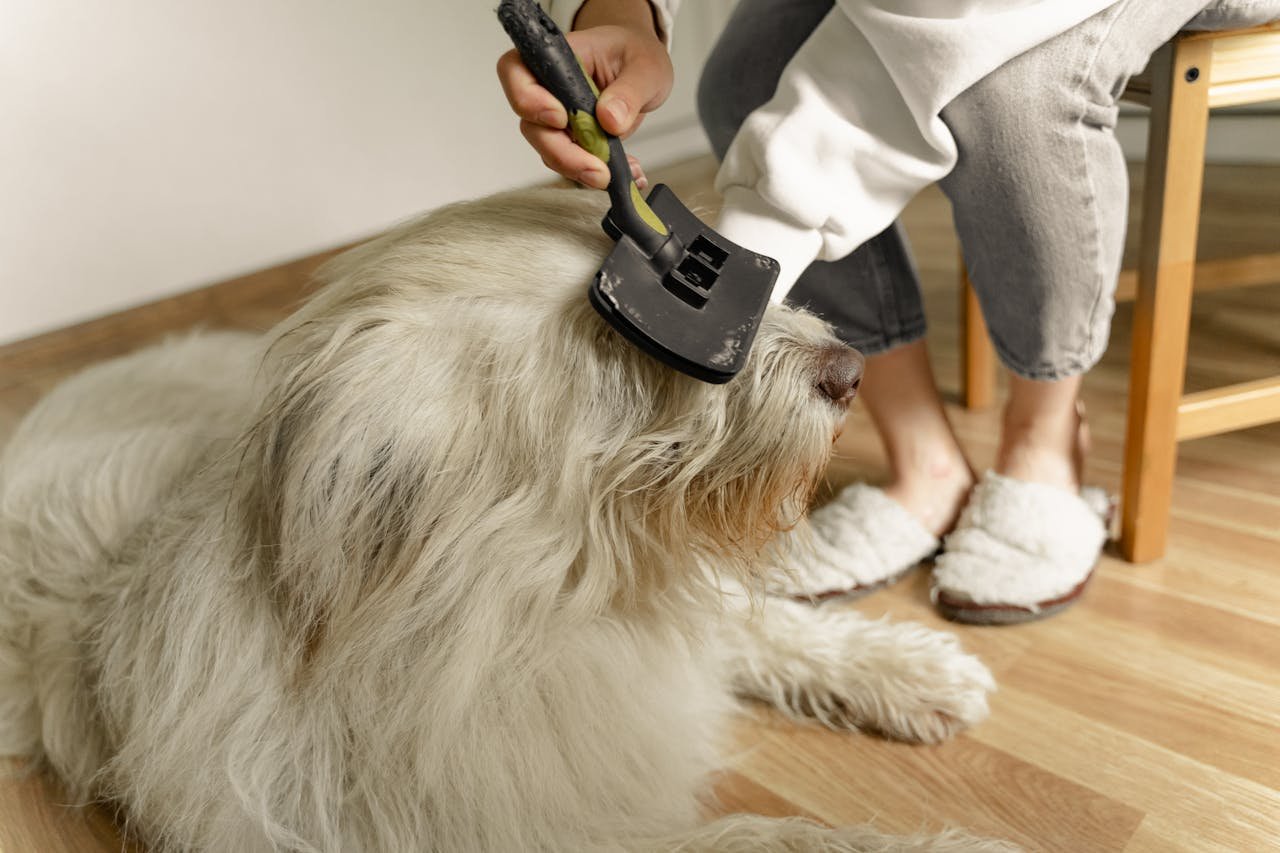
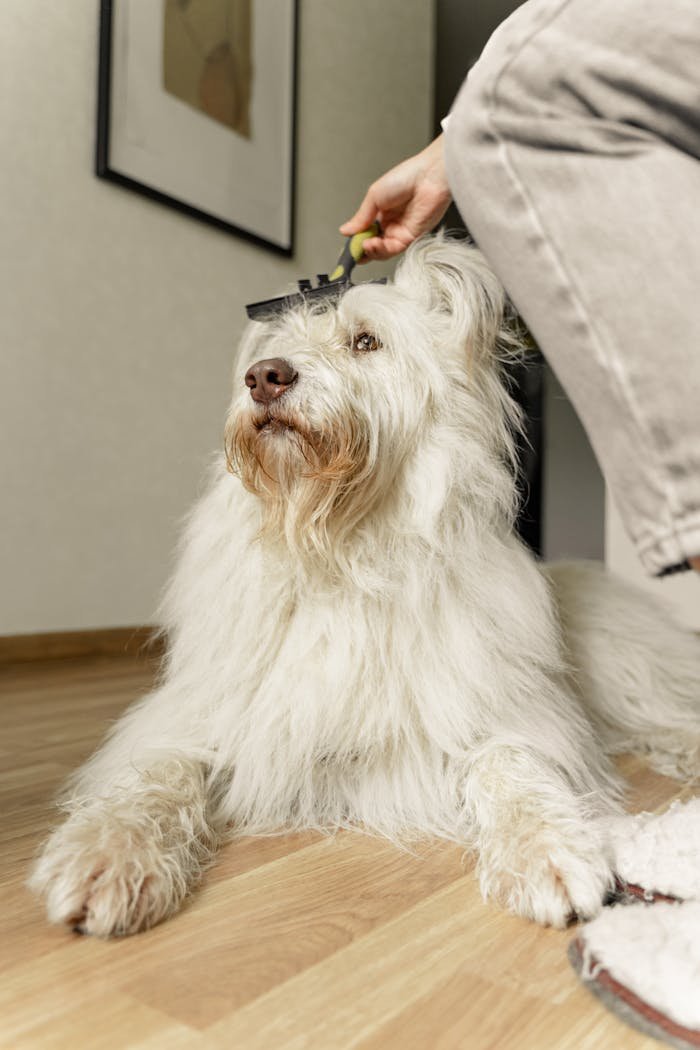
Grooming and Hygiene
Good hygiene keeps your puppy healthy.
Bathing
Bathe your puppy once every 3–4 weeks using puppy-specific shampoo.
Nail Trimming
Trim nails every 2–4 weeks to prevent discomfort.
Ear Cleaning
Check ears weekly for dirt or redness.
Regular grooming also helps you detect early signs of health problems.
Frequently Asked Questions
How long does it take to potty train a puppy?
Most puppies take 4–6 weeks with consistent training.
When should puppies visit the vet?
Within the first few days of bringing them home.
How much sleep does a puppy need?
Puppies sleep 18–20 hours per day.
Final Thoughts
Caring for a puppy requires time, effort, and patience — but the rewards are priceless. With proper nutrition, training, veterinary care, and love, your puppy will grow into a happy and well-behaved companion.
If you are a first-time dog owner, focus on building routines, staying consistent, and learning as you go. Every puppy is different, but with dedication and care, you will create a strong and lifelong bond.
Excellent information 👍
Pingback: Crafting Captivating Headlines: Your awesome post title goes here - petzcru.info
Pingback: Black German Shepherd Guide: Temperament, Care, Training & Facts - petzcru.info